Garden landscaping in Seven Sisters
If you are looking for garden landscaping in Seven Sisters, you may already know that outdoor space in this part of North London needs a thoughtful approach. Gardens here are often a mix of compact city plots, shared access spaces, front gardens that need a smart first impression, and larger family gardens that need practical, low-maintenance structure. Whether you want a full redesign, improved planting, a new patio layout, better lawn areas, or a complete refresh of an overgrown space, a local landscaping team can help turn an underused garden into a place that works for daily life.
Seven Sisters is a busy and diverse part of the borough, close to neighbourhoods such as Harringay, Tottenham, Finsbury Park, and Stamford Hill, with easy links to places like Wood Green and Manor House. That means local properties can vary widely: terraced homes with narrow rear gardens, maisonettes with split-level outdoor areas, small commercial yards, and shared outdoor spaces that need careful planning. The right landscaping service should understand how to work around access issues, neighbours, drainage, and the reality of urban living. A well-planned garden should look good, feel usable, and suit the way you live.
At its best, landscaping is not only about making a garden look neat. It is about creating structure, improving movement through the space, choosing materials that suit the property, and making maintenance more manageable over time. If you need practical garden design, planting, paving, turfing, raised beds, fencing, or a complete landscape makeover, the aim should be simple: build an outdoor space that adds comfort, value, and everyday enjoyment.
Why local garden landscaping matters in Seven Sisters
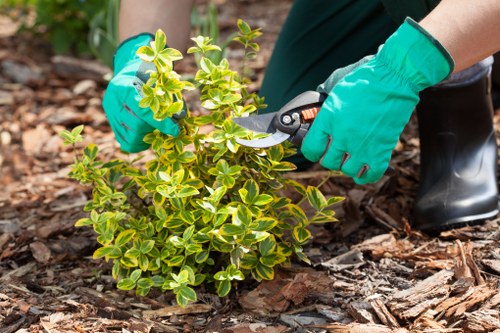
Local knowledge makes a real difference when planning a landscaping project. In Seven Sisters, properties may have limited side access, narrow passageways, shared rear routes, or parking restrictions that affect how materials and machinery can be brought in. A local team is more likely to plan realistically around these conditions, which helps keep the project running smoothly and reduces unnecessary disruption.
The character of the area also shapes what works best. Some gardens need privacy screening from adjoining homes. Others need a better layout for family use, with space for children, seating, and easy maintenance. Many homeowners want a garden that feels greener without becoming difficult to care for. Local garden landscaping in Seven Sisters should account for all of that, while also respecting the style of the property and the way the outdoor area is used every day.
Businesses in the area can benefit too. Small commercial premises, rental properties, housing developments, and managed outdoor spaces often need clean, reliable, and tidy landscaping that stays presentable. A good local contractor can work on front entrances, communal spaces, courtyards, and access areas with an eye for durability as well as appearance.
What garden landscaping can include
Garden landscaping can mean many different things depending on the condition of the space and the goals of the customer. For some people, it is a full redesign. For others, it is a focused improvement such as replacing worn-out turf, installing a patio, or reshaping borders. The best service is one that starts by understanding how you want to use your garden and then plans each element around that.
Typical landscaping work may include hard landscaping and soft landscaping. Hard landscaping covers the structural features, while soft landscaping focuses on planting and living elements. A balanced project often combines both, creating a space that is attractive, practical, and suited to the local environment.
Common landscaping services for Seven Sisters properties may include:
- Garden design and layout planning
- Patios, paving, and pathways
- Artificial grass or natural turf installation
- Planting schemes and border renewal
- Fence repairs and boundary improvements
- Decking, seating areas, and raised beds
- Drainage improvements and soil preparation
- Garden clearance and site preparation
- Low-maintenance garden redesigns
How a local landscaping project usually works

Every garden is different, but most landscaping projects follow a clear process. The first step is understanding the site. This means looking at the size of the garden, the condition of the ground, access for tools and materials, sunlight levels, existing features, and any practical issues such as standing water or uneven surfaces. In a place like Seven Sisters, these details matter because even a simple-looking garden may have hidden challenges.
Once the layout is agreed, the team can prepare the space properly. That may involve removing old paving, clearing rubble or overgrowth, levelling ground, improving drainage, or taking out tired features that no longer work. After preparation comes the main build stage, which could include installing new hard surfaces, constructing borders or raised beds, laying turf, or putting in planting that suits the light and soil conditions.
When the main work is complete, the finishing stage brings everything together. This might mean edging, mulching, trimming, adjusting planting positions, and making sure the garden is tidy and ready to use. A good finish is important because it helps the whole space look intentional, not patched together. Attention to detail is often what separates a basic job from a garden that feels finished and welcoming.
Garden styles that work well in Seven Sisters

Because homes in Seven Sisters and nearby areas range from period terraces to modern flats and mixed-use buildings, there is no single landscaping style that suits everyone. Instead, the most successful gardens tend to match the building, the amount of available light, and how the space will actually be used.
For smaller gardens, clean lines and simple zoning often work best. A compact patio, raised planting, and a neat lawn or gravel section can make a small space feel ordered and easy to enjoy. For family gardens, many homeowners prefer a mix of soft surfaces for children, seating areas for adults, and durable planting that keeps the garden looking attractive throughout the year. For rental properties, low-maintenance layouts are often the most practical choice because they remain tidy with less day-to-day effort.
Where privacy is important, screening plants, trellis, and taller boundary planting can help create a more secluded feel. Where drainage is a concern, permeable surfaces and proper grading can make a noticeable difference. The key is not to force a style into the space, but to design something that feels natural and sensible for the property.
Hard landscaping for structure and durability
Hard landscaping forms the backbone of many successful gardens. It creates the surfaces and features that shape movement, define use, and make the space more practical. In urban locations like Seven Sisters, where gardens can be compact and access can be tight, the materials chosen need to be durable, manageable, and suitable for regular use.
Patios are one of the most popular choices because they create a usable outdoor area for seating, dining, or simply relaxing. Paving can also help direct movement through the garden, separate different zones, and improve access in wet weather. Decking may suit raised areas or uneven ground, while retaining walls and raised beds can bring order to sloped or irregular gardens. A well-planned hard landscape should support the rest of the design rather than overpower it.
For many customers, low-maintenance hard landscaping is a major priority. That may mean choosing surfaces that are easy to clean, planning fewer awkward corners, and selecting materials that age well. In a busy household or commercial property, this can save time and keep the space looking presentable with less effort.
Popular hard landscaping choices
- Natural stone or concrete paving
- Stepping stones and garden paths
- Decking for seating or raised areas
- Gravel features for drainage and texture
- Retaining walls and sleeper borders
- Raised planters and built-in seating
Soft landscaping that brings the garden to life
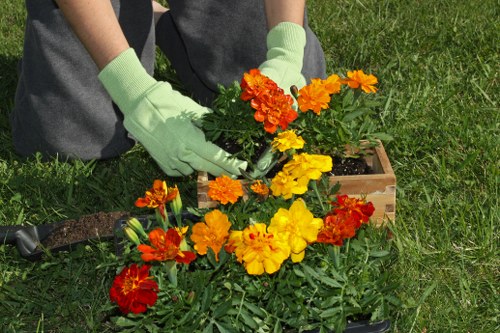
Soft landscaping adds colour, texture, privacy, and seasonal interest. It includes turfing, planting, shrubs, trees, soil improvement, and border design. In Seven Sisters, a lot of outdoor spaces benefit from thoughtful planting because the right plants can soften walls, brighten shady corners, and make a garden feel more established.
A good planting plan should match the light and conditions in the garden. North-facing spaces, courtyards, and areas overlooked by neighbouring buildings often need shade-tolerant plants. Sunny gardens can support a wider variety, including flowering borders, ornamental grasses, and features that encourage pollinators. Where soil is poor or compacted, improving the ground before planting is essential for long-term success.
Turfing and lawn care can also transform a space, especially where the previous surface has become patchy or uneven. Some customers prefer a natural lawn for family use, while others choose artificial grass for a neat, consistent look with less ongoing maintenance. Both options can work well when installed properly and matched to the needs of the property.
Soft landscaping may include:
- New planting schemes
- Border reshaping and edging
- Turf installation or lawn replacement
- Tree and shrub selection
- Soil conditioning and mulch application
- Seasonal refreshes for colour and structure
Making the most of small or awkward spaces
Many gardens in and around Seven Sisters are not large, and some have unusual shapes or awkward corners. That does not mean they cannot be attractive and usable. In fact, smaller spaces often benefit the most from careful planning, because every metre counts. A good layout can create a sense of openness even where the garden is compact.
One effective approach is zoning. This means dividing the space into clear areas, such as a dining section, a planting border, and a movement path. It can prevent the garden from feeling crowded and helps each part serve a purpose. Mirrors are sometimes used in design, but in most practical local gardens the more useful choices are light-coloured paving, well-placed planting, and streamlined boundaries that avoid unnecessary clutter.
For awkward layouts, custom-built features may be the answer. Narrow borders, built-in seating, angled paths, and tailored planting beds can make difficult spaces feel more intentional. With garden landscaping in Seven Sisters, the goal should be to work with the available footprint, not against it.
Access, parking, and working in a busy local area
One of the biggest practical considerations in Seven Sisters is access. Many properties do not have generous side access, and some gardens can only be reached through the house or via shared alleyways. Parking can also be limited, especially on busier residential roads. These issues do not make landscaping impossible, but they do require proper planning.
A local company will usually think about where materials can be unloaded, how waste can be removed, and what tools are suitable for the site. If a project involves heavy paving slabs, soil removal, or large deliveries, that needs to be coordinated carefully. Good planning helps reduce disruption to neighbours and can keep the job moving without unnecessary delays.
For commercial customers, access planning is just as important. Shops, offices, landlords, and property managers may need work carried out at specific times, with minimal interruption to customers or residents. A professional landscaping team should be able to work neatly, stay organised, and respect the shared nature of local spaces.
What is included in a typical service
Customers often want to know what they are actually getting when they book landscaping work. The exact scope depends on the project, but a good service should be clear about what is included from the start. That usually means a site assessment, a discussion of your goals, preparation of the ground, delivery of the agreed work, and final tidying when the project is done.
Depending on the job, the service may include labour, materials, waste removal, levelling, installation, and finishing details. It may also include advice on plant choice, maintenance, and how to care for newly installed features. For many people, that kind of support is valuable because it helps them make decisions with confidence and understand how the garden will perform over time.
Things to confirm before work begins include:
- What the project includes and excludes
- How access will be handled
- Whether waste removal is part of the work
- Any preparation needed from the customer
- Likely timing and stages of the job
- Material preferences and design choices
Pricing factors for garden landscaping
Every landscaping project is different, so pricing depends on a range of practical factors rather than a single fixed figure. That is especially true in Seven Sisters, where access, garden size, and existing site conditions can vary widely from one property to another. A small courtyard refurbishment may be straightforward, while a larger redesign with paving, planting, drainage improvements, and boundary work may require more time and materials.
Typical factors that influence cost include:
- Size and condition of the garden
- Type of work required
- Materials selected
- Amount of ground preparation needed
- Access and waste removal requirements
- Complexity of the design
- Whether the project is residential or commercial
Many customers find it helpful to request a quote after sharing photos or arranging a site visit. That allows the landscaper to understand the space properly and provide a more accurate proposal. If you are comparing options, focus not only on cost but also on clarity, experience, and whether the company understands the realities of working locally.
Why choose a local company for landscaping in Seven Sisters
Choosing a nearby team often means better communication, faster response times, and a more realistic approach to the site. A local company is more likely to understand the style of gardens in the area, the kind of access challenges common on surrounding streets, and the expectations of homeowners, landlords, and business owners nearby. That local familiarity can make the whole experience more efficient.
There is also value in working with people who understand the local mix of properties. Some customers need a modest refresh to improve kerb appeal. Others want a complete transformation that makes a tired, uneven plot more usable. A local landscaper can usually advise on what will work best for the space rather than applying a one-size-fits-all approach.
If you want a team that can balance design, practicality, and local conditions, garden landscaping in Seven Sisters is best handled by people who know the area and the kinds of properties found here. That makes it easier to plan sensibly and deliver a result that suits the home or business.
Areas covered around Seven Sisters
Customers looking for landscaping in Seven Sisters often live or work in nearby parts of North London as well. A local service typically covers surrounding neighbourhoods where similar property types and access issues are common. That may include terraced streets, converted flats, managed communal areas, and small business premises with outdoor frontage.
Nearby areas often covered include:
- Harringay
- Tottenham
- Finsbury Park
- Stamford Hill
- Wood Green
- Manor House
- South Tottenham
- Stroud Green
If your property is just outside these locations, it is still worth enquiring. Local teams often work across a wider patch of North London, especially where the project is suitable and access can be arranged.
Preparation checklist before landscaping starts
Good preparation makes any landscaping job run more smoothly. If you are planning work on your garden, a little organisation before the team arrives can save time and reduce complications. This is especially useful in Seven Sisters, where outdoor space may be tight and access may need to be kept clear.
Before the project begins, it helps to:
- Clear away personal items, furniture, and decorations from the work area
- Confirm which boundaries or surfaces need to stay in place
- Identify any plants or features you want to keep
- Make sure access routes are available for equipment and materials
- Discuss parking or loading arrangements if needed
- Think about the garden’s main purpose, such as family use, entertaining, or low maintenance
It can also help to collect photos of garden styles you like. These do not need to be final design plans, but they can give the landscaper a better sense of your preferences. Whether you want something traditional, modern, wildlife-friendly, or easy to maintain, clear communication at the beginning makes a better result more likely.
Frequently asked questions
How long does garden landscaping usually take?
The timing depends on the size and complexity of the job. Small projects may be completed relatively quickly, while larger redesigns with several elements can take longer. Access, weather, and material availability can also affect the schedule.
Can you landscape a small garden?
Yes. Small gardens often benefit from landscaping because good planning can make them feel more spacious, practical, and attractive. Even a compact courtyard can be improved with the right layout, planting, and surface choices.
Do I need a full redesign?
Not always. Some customers only need a few improvements, such as new paving, a planted border, or lawn replacement. If the structure of the garden is already suitable, targeted upgrades may be enough.
Can landscaping help with drainage problems?
Yes, in many cases. Drainage issues can sometimes be improved through better ground preparation, changes in levels, suitable materials, or careful surface design. If your garden holds water after rain, it is worth discussing at the planning stage.
Is landscaping suitable for rented or managed properties?
Absolutely. Low-maintenance landscaping can be a smart option for rental homes, communal gardens, and managed premises because it helps outdoor areas stay neat with less ongoing effort.
What should I do if my garden access is difficult?
Tell the landscaping team early. Difficult access is common in Seven Sisters and nearby areas, and a local company should be able to plan around it. It may affect delivery, waste removal, and the type of equipment used.
Book your landscaping project in Seven Sisters
Whether your garden needs a small improvement or a complete transformation, now is a good time to start planning. A well-designed outdoor space can make day-to-day life easier, improve how your property feels, and create a place you actually want to use. From patios and planting to turfing and full layout changes, professional garden landscaping should be tailored to your property, your needs, and your budget range.
If you are ready to improve your outdoor space, contact us today to discuss your ideas and request a free quote. A short conversation about your garden can be the first step toward a more practical, attractive, and enjoyable result. Book your service now and take the next step toward a garden that suits your home in Seven Sisters.
Thinking about a fresh start for your garden? Get in touch to talk through your plans, ask questions, and find out what is possible for your space.